Debut at the Elbphilharmonie in Hamburg

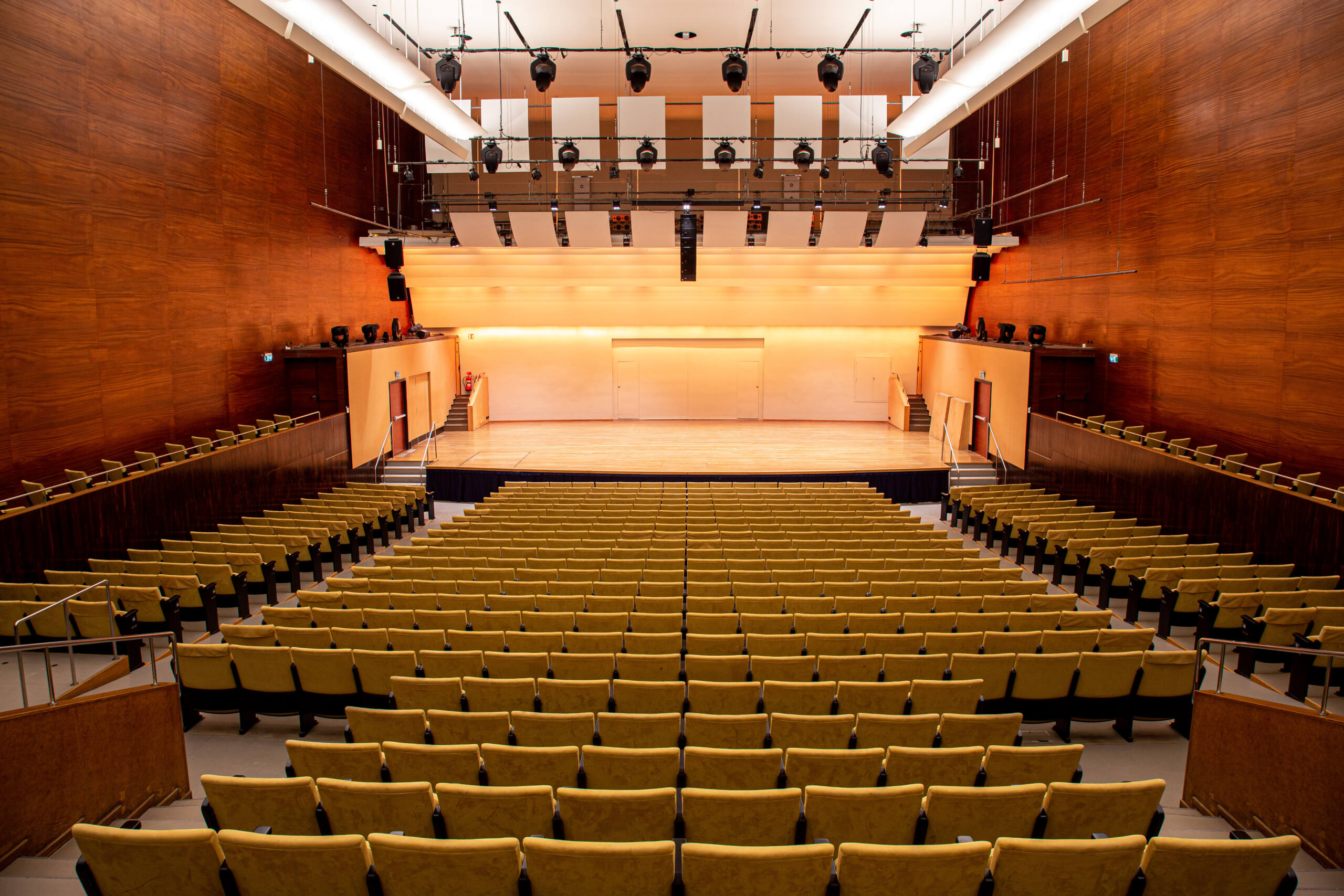
On 24 May, Alessandro Crudele will make his debut at Hamburg’s prestigious Elbphilharmonie, one of the most iconic architectural landmarks of the city and one of the world’s most acclaimed concert halls. For the occasion, Alessandro will again conduct the Thüringen Philharmonie.

The programme includes pieces by Richard Strauss, Puccini, Mozart, Bellini, Verdi, Mascagni and Massenet and features Alexej Barchevitch (violin), Elena Moșuc (soprano) and Irakli Kakhidze (tenor) as soloists.

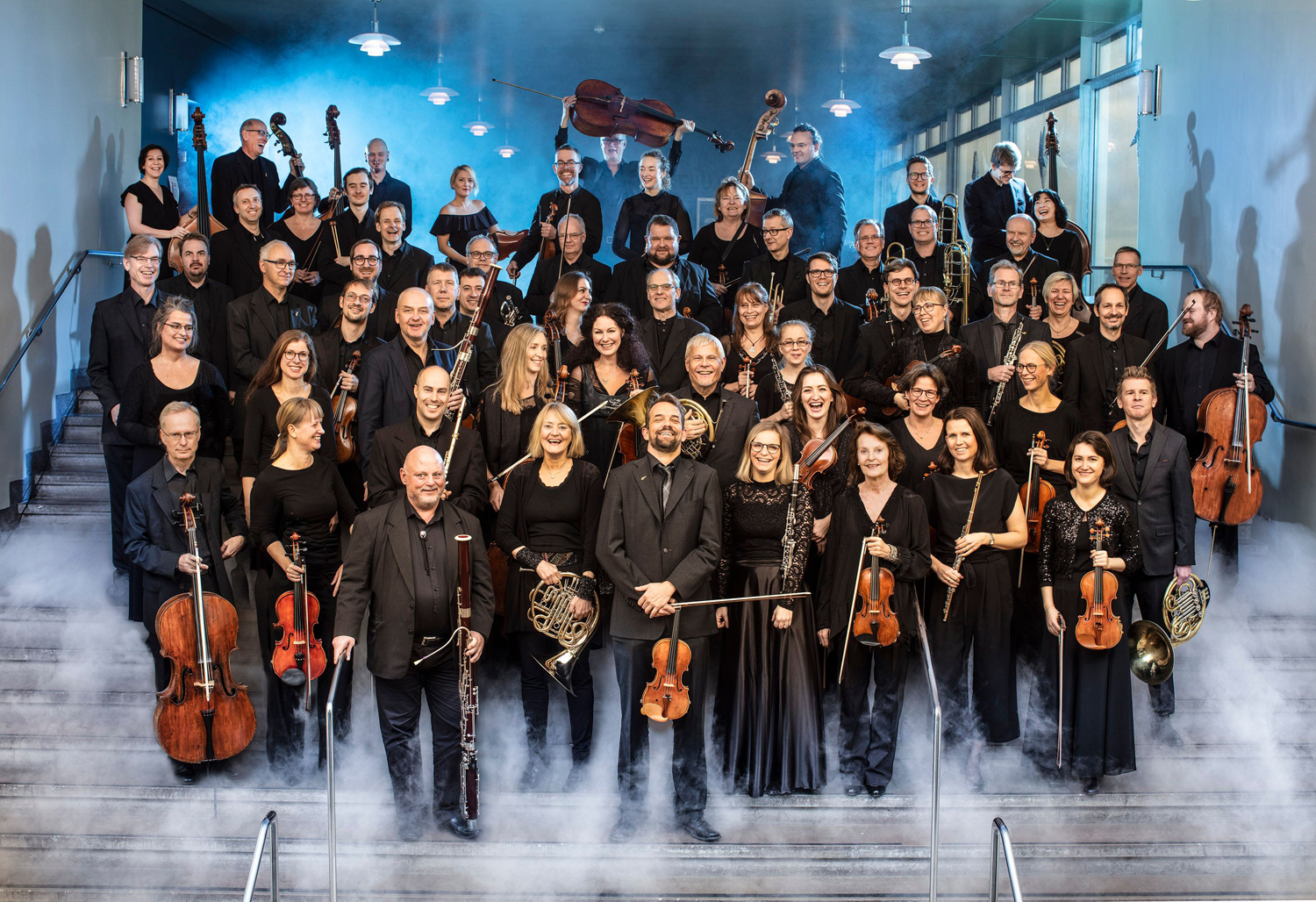
Alessandro enjoys a close working relationship with the Thüringen Philharmonie. Ever since he conducted it for the first time in 2018 and was then among the final candidates for the position of Chief Conductor, his concerts with the Thuringian ensemble have always been acclaimed by both the press and the players. In 2019, for example, his interpretation of Brahms’ Fourth was described with these words: “The tranquillity in the second movement of the symphony, the fire in the third, revealed him as a master of his field”. In 2020, the Thüringer Allgemeine newspaper wrote of his Opera Gala: “Was it because of the hall? Was it because of the conductor? The orchestra that we well know sounded differently, as if it had jumped to a higher level”.

Within the rich programme of this concert, Alessandro will conduct Mozart’s last symphony, the No. 41 “Jupiter”. In the past, his Mozart with the Thüringen Philharmonie was also acclaimed by the press: “Alessandro Crudele conjured up a beautiful Mozart with historic reminiscences”.

Press enthusiastically covered Alessandro’s Italian tour with the Philharmonia

On November 25th and 26th, Alessandro toured Puglia (Italy) with the Philharmonia Orchestra, performing Beethoven’s Fidelio Overture, Mozart’s Piano Concerto No. 16 and Brahms’s Symphony No. 4.
Both Italian and English press highly acclaimed the concerts.

Ugo Sbisà wrote on La Gazzetta del Mezzogiorno:

[…] Crudele was able to bring out those epic traits that alternate with moments of more quivering passion, without ever overdoing the expressive force.
In short, an intense and luminous Brahms, culminating in the long series of variations on the Chaconne of the concluding Allegro energetico e appassionato, in which the fine understanding between conductor and orchestra allowed the audience to appreciate the very high quality of every single section, starting with the brass and woodwind, of a decidedly ‘stellar’ level.

Michele Traversa wrote on LSDmagazine:

The Philharmonia Orchestra, under Crudele’s expert guidance, did justice to the complexity and harmonic richness of this great work [Brahms’s Fourth Symphony], displaying extraordinary cohesion and finesse. Crudele’s precise and inspired conducting guided his 80 musicians in a high-level performance, enhancing the individual qualities of each musician and crafting an enthralling concert experience.

Jon Jacob described the Barletta concert, dedicated to Carlo Maria Giulini, on Thoroughly Good:

Pianist Martin Helmchen sparkled in Mozart’s breezy piano concerto no. 16, his bright energetic sound complimented with splashes of detail from the woodwind in the first movement. 

Crudele’s disciplined approach pairs well with the Philharmonia’s characteristically reliable rigour.

Finally, there are several enthusiastic quotes from Colin Clarke‘s review on Classical Explorer: 

[…] the Beethoven and Brahms emerged with an invigorating freshness of approach thanks to the direction of the Milanese conductor Alessandro Crudele.

Helmchen and Crudele’s account could hardly be bettered. Miraculously, despite a large string quotient, Crudele ensured lightness and transparency from the orchestra.

[…] talking of togetherness, rarely have I heard the unison horns at the opening of the Andante moderato as if just one instrument was playing, just with a different colour to that of a single horn (and surely this is exactly what Brahms intended).

Brahms’ passacaglia masterclass was given just the right amount of space to breathe by Crudele while allowing the music to flow like Brahmsian lava.

But it was Crudele’s careful preparation for the trombone chorale entry that sealed the interpretation. The brass arrived as if we had been expecting them all the time, a moment of the utmost nobility.

Alessandro tours Italy with the Philharmonia Orchestra

This November, Alessandro Crudele travels to Bari and Barletta (Italy) with the Philharmonia Orchestra, with whom he has established a close working relationship. 

The concerts will be held on Monday, November 25, at the Teatro Petruzzelli in Bari and on Tuesday, November 26, at the Teatro Curci in Barletta; the latter is dedicated to the legendary Carlo Maria Giulini, a conductor long associated with the Philharmonia Orchestra and born in this very city.

The programme opens with the Overture from Beethoven’s Fidelio and continues with Mozart’s Piano Concerto No. 16, with great Mozartian pianist Martin Helmchen, one of Alessandro’s regular musical partners. Concluding the programme is Brahms’ Symphony No. 4, the symphony that Maestro Giulini conducted the most during his long career.

This Apulian tour marks Alessandro’s sixth time conducting the Philharmonia Orchestra in just two years, confirming the solidity of their fortunate chemistry.

Return visit to the Philharmonia Orchestra

This month Alessandro Crudele returns to the Philharmonia Orchestra for the closing concert of their 2023/24 season in Bedford.

The concert will be held on 10 May 2024 at the Bedford Corn Exchange and will see the presence of star pianist Martin Helmchen in Mozart’s Piano Concerto No. 16 K451. To complete the programme, Beethoven’s Fidelio Overture and his Fourth Symphony. 

The fortunate relationship between the Philharmonia Orchestra and Alessandro tightens, after the successful album Britten & Elgar and the concert held at the Britten Theatre in London last October.

The concert will be preceded by an open rehearsal at 3 pm for Philharmonia Friends members.